From Oil to Corn: How Raw Materials Tell Market Stories
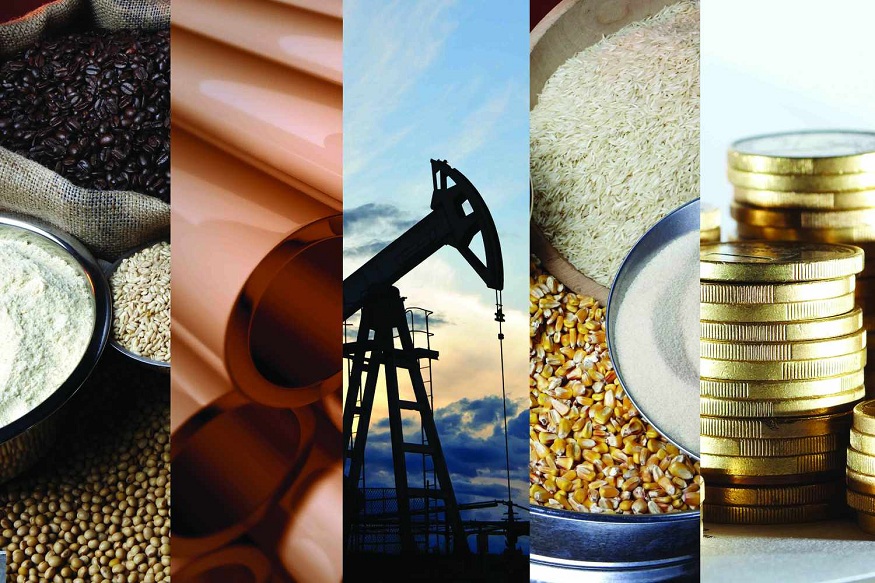
Markets often feel abstract, a whirlwind of numbers, charts, and indices. Yet beneath the charts lie tangible products—the raw materials that drive economies and daily life. Commodities like crude oil, corn, gold, and copper are more than just tradeable assets; they are the heartbeat of global commerce, revealing trends, pressures, and opportunities that shape the financial landscape.
Understanding how these raw materials behave can give investors, traders, and even curious observers a lens through which to interpret the world’s economic narrative.
The Pulse of Global Trade
Commodities represent the foundation of production and consumption. Oil powers industries and transportation, corn feeds livestock and humans alike, and metals like copper and aluminium build infrastructure worldwide. Each commodity carries unique supply and demand dynamics that respond to geopolitical events, weather patterns, technological innovations, and policy changes. By following these shifts, one can glean insights into broader economic trends.
For instance, a sudden spike in crude oil prices often signals supply constraints, political instability in oil-rich regions, or shifts in global energy demand. Conversely, a bumper corn harvest in the Midwest can depress prices, affecting farmers, exporters, and related food industries. These movements are rarely isolated; they ripple across sectors, influencing currencies, equities, and even bond markets. In this way, commodities act as both indicators and influencers, telling stories that extend far beyond the raw material itself.
Understanding the Forces Behind Price Movements
At the heart of commodity markets are fundamental economic forces. Supply disruptions, whether due to natural disasters, labour strikes, or geopolitical tensions, can create volatility. For example, hurricanes affecting Gulf Coast oil refineries can restrict output, sending prices upward. On the flip side, technological advancements in extraction, agriculture, or logistics can increase supply efficiency, sometimes resulting in price reductions.
Demand is equally pivotal. Global population growth, shifts in dietary habits, and changes in energy consumption all shape how much of a commodity is needed. Rising urbanisation in Asia, for example, has fueled increased demand for copper for construction and electricity infrastructure. Conversely, policy shifts toward renewable energy sources can reduce fossil fuel demand, influencing prices in surprising ways.
In addition to supply and demand, market sentiment plays a crucial role. Traders, investors, and speculators respond to news, trends, and expectations, sometimes amplifying price movements beyond what fundamentals alone would suggest. Understanding these layered influences provides a richer perspective on why prices rise and fall, helping market participants anticipate potential shifts.
From Observation to Action: Learning About Commodities
For those looking to navigate these markets, the first step is education. Familiarity with the key players, trading mechanisms, and market dynamics is essential. Commodities trading is not just about buying and selling; it involves understanding futures contracts, spot prices, storage considerations, and the impact of external factors on market behaviour.
To start, it helps to answer fundamental questions such as what are commodities. These are goods that are typically interchangeable with others of the same type, such as barrels of oil, ounces of gold, or bushels of wheat. Their standardised nature allows them to be traded on global markets, creating liquidity and transparency. For beginners, grasping the distinction between soft commodities (like agricultural products) and hard commodities (like metals and energy) provides clarity on how different sectors react to various stimuli.
Understanding seasonal patterns is another practical approach. Agricultural commodities, for example, are heavily influenced by planting and harvesting cycles. Weather anomalies, pest outbreaks, or policy changes in key producing countries can significantly impact supply and prices. Similarly, energy commodities reflect seasonal demand fluctuations, such as increased heating oil consumption in winter or higher gasoline demand during summer travel periods. Recognising these recurring trends can help traders and investors position themselves more strategically.
Commodities as Economic Storytellers
Perhaps the most fascinating aspect of commodities is their role as a mirror of global economic health. Rising industrial metal prices often indicate economic expansion, reflecting higher construction activity, manufacturing output, and energy use. In contrast, declining commodity prices can signal slower growth or oversupply, prompting policymakers and investors to adjust expectations.
Consider gold, a traditional safe-haven asset. During periods of uncertainty—such as political unrest, inflationary pressures, or currency volatility—gold prices often rise as investors seek stability. Meanwhile, oil prices may fluctuate in response to geopolitical events or shifts in global energy consumption. By analysing these trends in conjunction, one can read a broader narrative about economic confidence, risk appetite, and global interconnectedness.
Commodities also reveal long-term shifts in society. The growing emphasis on sustainable energy has increased demand for lithium, cobalt, and rare earth metals, essential components for batteries and electric vehicles. Observing these emerging trends allows market participants to anticipate structural changes in industries and investment opportunities.
Conclusion
Raw materials are far more than objects of trade—they are storytellers, offering insight into the complex dance of supply, demand, and human behaviour. From oil’s influence on energy policy to corn’s reflection of agricultural cycles, commodities provide a lens through which the economy can be understood, interpreted, and navigated. For those willing to study their movements, these markets offer not only opportunity but a deeper comprehension of global interconnections.
In a world increasingly driven by complex economic interactions, commodities remain a tangible, accessible way to connect with the pulse of global markets, empowering informed decisions and a richer appreciation of the stories embedded in every barrel, bushel, and ounce.










Post Comment
You must be logged in to post a comment.